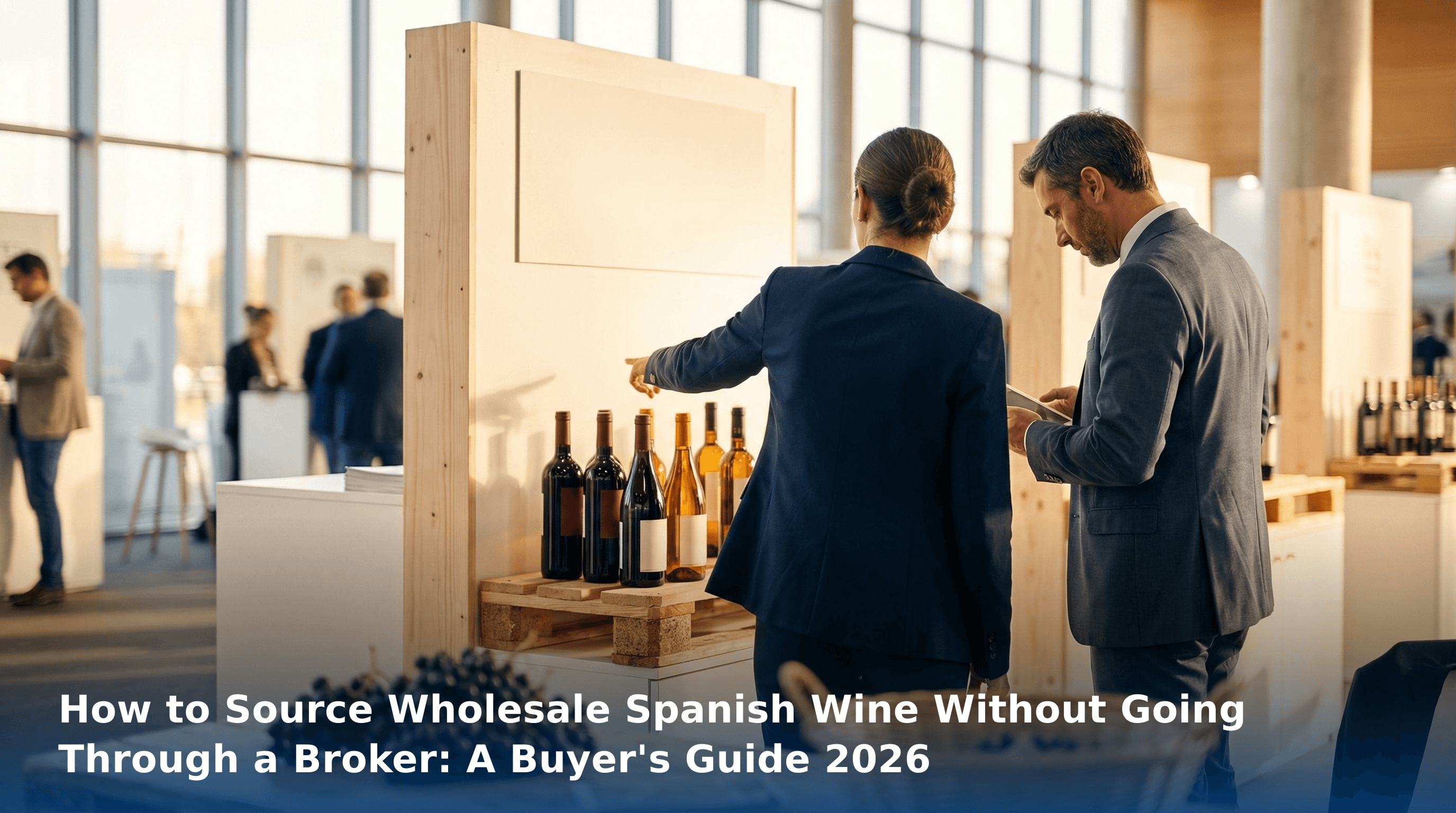
This article provides a strategic playbook for non-EU buyers attending Alimentaria 2026, focusing on pre-show preparation and supply chain development to secure a first container shipment.
- Strategic pre-show preparation is crucial for success.
- Market research is essential for informed supplier selection.
- Define target product categories & quality standards.
- Focus on building a robust and reliable supply chain.
- Navigate complexities of international trade effectively.
The bustling halls of Alimentaria 2026 in Barcelona will once again serve as a vibrant crossroads for the global food and beverage industry. For non-EU buyers, this colossal tradeshow represents an unparalleled opportunity to discover innovative products, forge new partnerships, and tap into the rich tapestry of European culinary excellence. However, navigating such a vast landscape, especially when eyeing your first container shipment, requires more than just a keen eye for quality; it demands a strategic, structured approach. This isn't merely about collecting brochures; it's about executing a precise market access playbook.
From the initial spark of interest to the triumphant arrival of your first container, the journey is fraught with complexities, particularly across international borders. Without a clear roadmap, the potential for missteps, delays, and wasted resources is significant. This article aims to equip non-EU buyers with a comprehensive, actionable strategy – a step-by-step guide designed to transform your Alimentaria experience from a casual visit into a definitive pathway for successful market entry. We’ll walk you through crucial stages, from meticulous pre-show preparation to the final logistical hurdles, ensuring you build a robust and reliable supply chain anchored in trust and verification.
Strategic Foresight: The Pre-Fair Prowess
Your journey to a successful first order begins long before you set foot on the fairgrounds. Effective market access is built on robust Tradeshow Market Research, a critical initial stage that sets the foundation for informed decision-making. This proactive approach allows you to filter the immense pool of potential suppliers, narrowing your focus to those most aligned with your specific market needs and regulatory requirements.
Identifying Your Target Producers
Before diving into exhibitor lists, clearly define your target product categories, quality standards, certifications (e.g., organic, halal, kosher, allergen-free), and desired price points. Are you looking for artisanal delicacies, bulk ingredients, or innovative packaged goods? Understanding your niche will help you identify producers who not only meet your criteria but also possess the export capabilities required for non-EU markets. Look for indicators of export readiness, such as existing international certifications or multilingual marketing materials.
Beyond product specifications, consider the producer's capacity and scalability. Can they meet your potential order volumes? Do they have a track record of reliable supply? These questions are vital for long-term partnership viability. A smaller, agile producer might offer unique products and flexibility, while a larger one could provide economies of scale and established export infrastructure. Balance innovation with consistency.
Leveraging Digital Tools for Initial Vetting
The digital age offers powerful tools for preliminary vetting. Utilize Alimentaria's official exhibitor directory, cross-referencing potential suppliers with their company websites, B2B platforms (like Alibaba, Europages), and industry-specific databases. Look for detailed product information, company history, certifications, and, importantly, contact information. Examine their online presence for professionalism and transparency.
Don't hesitate to conduct preliminary checks on industry reputation. Are there any news articles or trade publications featuring them? Do they participate in other international fairs? While online information provides a valuable starting point, remember its limitations. This initial phase is about creating a strong shortlist, not making final decisions. It's about data gathering and hypothesis formation before real-world validation.
Building Your Pre-Show Hit List
With your research complete, construct a meticulously planned "hit list" of exhibitors you intend to visit. For each entry, note down key questions, specific products of interest, and any initial queries about export logistics or compliance. Proactively schedule appointments with your top-tier prospects. This not only shows professionalism but also guarantees dedicated time with decision-makers, avoiding the chaos of spontaneous booth visits.
Develop a clear objective for each scheduled meeting. Are you seeking samples, discussing pricing structures, or understanding their production capabilities? Having a structured agenda will maximize your time at the fair and ensure you gather all necessary information for post-show evaluation. This disciplined approach is fundamental to turning a massive tradeshow into a targeted sourcing mission.
On-Site Validation: Boots on the Ground for Real Insights
The true heart of your market access strategy lies in the physical experience at Alimentaria. This is where your pre-show research transitions from theory to tangible reality. The phrase "on site" takes on profound meaning as you engage directly with producers, inspect products, and conduct crucial verification that digital tools simply cannot provide. This is the stage for "boots on the ground" diligence.
Maximizing Your Time at Alimentaria
With your pre-scheduled appointments, you're already ahead of the curve. Stick to your itinerary but remain flexible enough to explore unexpected opportunities. Walk the aisles with purpose, observing packaging trends, competitor offerings, and overall market dynamics. Engage with booth staff beyond your specific contacts; sometimes, junior staff can offer candid insights or direct you to other relevant products.
Don't just collect brochures; engage in meaningful conversations. Ask open-ended questions about their supply chain, quality control processes, and previous export experiences to non-EU markets. Your physical presence allows you to assess the professionalism of their team and the presentation of their products in a live setting. Pay attention to subtle cues that speak volumes about their operational rigor.
Beyond the Booth: Deeper Dives and Due Diligence
While at the fair, push for deeper insights. Inquire about factory tours or further audits, even if they're not immediately available. Ask about their certifications in detail – not just 'do you have ISO 22000?', but 'can you show me your most recent audit report?' Understand their production lead times, minimum order quantities (MOQs), and how they handle quality deviations. This level of inquiry demonstrates serious interest and helps you gauge their transparency and reliability.
Discuss specific challenges for your market, such as particular import regulations, labeling requirements, or climate considerations for shipping. A responsive and knowledgeable supplier who understands these nuances is invaluable. Their ability to provide detailed answers and solutions during this on site discussion speaks volumes about their export readiness and commitment to partnership integrity.
The Power of Personal Connection and Verification
Building a personal rapport at the fair is underestimated. A handshake, a shared coffee, or a genuine conversation can foster trust far more effectively than emails alone. This human element is crucial for future collaboration and problem-solving. Use these interactions to assess the supplier's commitment, their passion for their products, and their overall business philosophy.
This on site interaction is your primary opportunity for initial product verification. Taste, touch, and smell the products. Examine packaging quality, ingredient lists, and expiration dates. Are the samples representative of their bulk production? Take detailed notes and photos for later review. This sensory experience is irreplaceable and forms the bedrock of your quality assurance process.
Post-Fair Precision: Auditing and Consolidation for Success
The energy of Alimentaria quickly fades, but your critical work continues. The post-fair period is a vital stage for consolidating your findings, conducting thorough evaluations, and setting the groundwork for smooth logistics. This is where meticulous auditing, strategic sample management, and compliance planning come into sharp focus, ensuring that your initial excitement translates into actionable business opportunities.
The Critical Post-Show Audit
Immediately after the fair, organize all your collected information: business cards, notes, photos, and brochures. Create a structured system to compare suppliers against your pre-defined criteria. Evaluate each potential partner based on product quality, pricing, certifications, export experience, communication responsiveness, and the overall impression you gained during your on site interactions.
Prioritize your shortlist. Initiate follow-up communications, reiterating your interest and asking any remaining questions. Request formal quotes, detailed product specifications, and copies of relevant certifications. This phase often involves deeper background checks, including financial stability assessments and contacting references if appropriate. A thorough audit at this stage significantly mitigates future risks and reinforces the overall integrity of your sourcing strategy.
Streamlining Sample Management
Samples are more than just tasters; they are critical tools for technical verification and market testing. Ensure all samples received are clearly labeled with the supplier's name, product description, and the date. Once samples arrive at your facility, conduct internal quality assessments, shelf-life tests, and, if applicable, consumer preference studies. This step is crucial for validating the product's suitability for your specific market and ensuring it aligns with your expectations.
If sourcing from multiple suppliers, consider consolidating samples into a single shipment if feasible, to optimize shipping costs and customs clearance processes. Document every aspect of the sample process – from request to delivery and testing results. This meticulous record-keeping is invaluable for troubleshooting and for providing feedback to potential suppliers, marking a key stage in your quality control efforts.
Laying the Groundwork for Compliance
Before any significant order, fully understand the import regulations for food and beverage products in your non-EU country. This includes tariffs, quotas, labeling laws (e.g., nutritional information, allergens, country of origin), and specific health or sanitary certificates required by your customs authorities. This is a complex area where proactive engagement is essential.
Work closely with your customs broker or import specialist to ensure all documentation requirements are met. Communicate these requirements clearly to your potential suppliers. A supplier experienced in exporting to your region will be a tremendous asset, but ultimately, the responsibility for compliance rests with the importer. Early planning in this stage prevents costly delays and rejections at the port of entry, safeguarding the integrity of your supply chain.
Navigating the Logistics: From Samples to First Container
With your supplier selected and preliminary agreements in place, the focus shifts to the intricate dance of international logistics. This crucial stage involves meticulous planning, coordination, and a deep understanding of trade terms. Successfully moving from validated samples to your first container shipment requires rigorous attention to detail, proactive risk management, and the final critical layer of verification to protect your investment.
The Importance of Pre-Shipment Inspection (PSI)
Before your first container is loaded and sealed, a Pre-Shipment Inspection (PSI) is not merely recommended; it’s an indispensable safeguard. A PSI is an independent, third-party inspection of the goods at the supplier's premises before they are dispatched. This critical verification step ensures that the quantity, quality, packaging, and labeling of the products conform to your purchase order and specifications.
The PSI can detect discrepancies, damages, or non-compliance issues before the goods leave the country of origin, saving you significant time and money associated with returns or disputes later. It provides an objective assessment and is a powerful tool to ensure supplier accountability and product integrity. Always choose a reputable, independent inspection agency and clearly define the scope of the inspection based on your specific requirements. This is your last chance for on site quality assurance before goods leave the factory.
Mastering Terms of Trade (TOC) and Documentation
The Terms of Trade (TOC), often defined by Incoterms, dictate responsibilities and costs between buyer and seller for the delivery of goods. Clearly understand which Incoterm (e.g., EXW, FOB, CIF, DDP) you are agreeing to, as it significantly impacts who is responsible for various stages of transport, insurance, and customs clearance. Negotiate these terms carefully, ensuring they align with your logistical capabilities and risk appetite.
Equally vital is flawless documentation. This includes commercial invoices, packing lists, bills of lading (for sea freight) or air waybills (for air freight), certificates of origin, health certificates, and any other product-specific certifications. Each document must be accurate and consistent to prevent customs delays or penalties. Working with an experienced freight forwarder who specializes in food and beverage imports can be invaluable in navigating this complex administrative landscape, ensuring the legal integrity of your shipment.
The First Container: A Triumph of Preparation
The successful loading and dispatch of your first container marks a significant milestone – the culmination of diligent Tradeshow Market Research, painstaking on site verification, and meticulous post-fair auditing. It's a testament to the structured path you've followed, building confidence at each stage and reinforcing the integrity of your supply chain decisions. This isn't just a shipment; it's the physical manifestation of a carefully executed market access strategy.
Upon arrival, conduct a thorough inspection of the goods as soon as they are offloaded. Compare against your PSI report and original order. Provide timely feedback to your supplier, whether positive or constructive. Remember, this first container is often the beginning of a long-term partnership. Continuous communication, mutual trust, and a commitment to quality will define the future success of your market access endeavors.
Conclusion: Your Market Access Blueprint for Alimentaria 2026
The journey from a bustling tradeshow floor to the arrival of your first container is multifaceted, demanding more than just opportunity spotting. It requires a strategic market access playbook, meticulously executed at every stage. Alimentaria 2026 presents an incredible platform, but its full potential is unlocked only through diligent preparation, robust on site verification, and systematic post-fair auditing.
By investing in thorough Tradeshow Market Research, employing a "boots on the ground" mentality for supplier engagement, and prioritizing the integrity of both product and process, non-EU buyers can transform a complex challenge into a clear, actionable pathway. This structured approach not only de-risks your entry into new markets but also lays the foundation for enduring, profitable relationships with European food and beverage producers.
Don't leave your market access to chance. Begin planning your Alimentaria 2026 strategy today, embracing each step of this playbook. Your next successful container, brimming with the finest European products, awaits.