This guide provides a framework for sourcing and importing Spanish tiles, focusing on regional specializations, pricing, and logistical considerations to facilitate the integration of authentic Spanish craftsmanship.
- Spanish tiles offer unique beauty and durability.
- Spain boasts a rich ceramic tradition.
- Understand regional variations in tile production.
- Master import logistics for efficient sourcing.
- Consider sustainability practices of manufacturers.
The timeless beauty and unparalleled quality of Spanish tiles have captivated designers, architects, and homeowners worldwide for centuries. From the sun-drenched terracotta of Andalusia to the intricately patterned hydraulic tiles of Catalonia, Spanish craftsmanship in ceramics is truly in a league of its own. If you're looking to infuse your next project with that distinctive Mediterranean charm and robust durability, knowing how to efficiently source and import these exquisite materials is key.
Embarking on the journey to bring Spanish tiles directly to your doorstep can seem daunting. There's a labyrinth of manufacturers, diverse regional specializations, and the complexities of international logistics to navigate. This comprehensive guide will demystify the process, offering practical insights into sourcing Spanish tiles, identifying the best production regions, understanding pricing structures, and successfully managing the import procedures. Prepare to transform your space with the authentic artistry of Spain!
Understanding the Allure of Spanish Tiles
Before diving into the logistics, it's essential to appreciate what makes Spanish tiles so desirable. Their appeal lies in a rich tapestry of history, innovation, and unwavering commitment to quality.
Why Spanish Tiles Stand Out
Spain boasts a ceramic tradition stretching back thousands of years, influenced by Roman, Visigothic, and Moorish cultures. This heritage has fostered a unique blend of traditional techniques and cutting-edge technology. The result is tiles renowned for their vibrant colors, intricate patterns, and exceptional resilience, capable of withstanding heavy traffic and diverse climates.
Beyond their aesthetic appeal, Spanish tiles are known for their durability and versatility. Whether for flooring, walls, countertops, or outdoor patios, they offer a practical yet luxurious solution. Many Spanish manufacturers are also at the forefront of sustainable production, using recycled materials and energy-efficient processes.
Types of Spanish Tiles You'll Encounter
- Ceramic Tiles: Made from clay and other natural materials, ceramic tiles are durable and versatile. They come in both glazed (glossy or matte finish, less porous) and unglazed (natural, earthy finish) varieties, suitable for various indoor applications.
- Porcelain Tiles: A type of ceramic tile, porcelain is fired at higher temperatures and made from denser clay, making it extremely hard, water-resistant, and frost-proof. It's ideal for high-traffic areas and outdoor use, often mimicking natural stone or wood with remarkable realism.
- Terracotta Tiles: Evoking rustic warmth, terracotta tiles are unglazed and porous, often handmade. Their characteristic reddish-brown hue and earthy texture are perfect for traditional or Mediterranean-style interiors and exteriors.
- Hydraulic Tiles (Mosaics): These cement-based tiles are pressed without firing, creating stunning, vibrant, geometric patterns. Historically popular in late 19th and early 20th-century Barcelona, they offer a unique vintage or modern aesthetic, often used for decorative floors and accent walls.
- Hand-Painted and Artisan Tiles: From Talavera-style tiles to intricate geometric patterns, Spain produces a vast array of hand-painted and artisanal tiles that add a unique, bespoke touch to any project.
Key Regions for Spanish Tile Production
Spain's tile industry is geographically concentrated, with specific regions leading in innovation and production. Understanding these hubs is crucial for effective sourcing, as it helps you pinpoint manufacturers specializing in the types of tiles you need.
Castellón: The Heart of Tile Manufacturing
The province of Castellón, in the Valencian Community, is unequivocally the epicenter of Spain's ceramic tile industry. Often referred to as "the capital of tiles," this region accounts for the vast majority of Spain's tile production and exports. Towns like Vila-real, Onda, and Alcora are home to hundreds of factories, from colossal international brands to specialized boutique producers.
Manufacturers in Castellón are known for their state-of-the-art facilities, producing high-quality porcelain and ceramic tiles for floors and walls. They excel in creating innovative designs, including large-format tiles, rectified edges, and advanced digital printing technologies that replicate natural materials with incredible accuracy. If you're looking for modern, high-volume production with diverse options, Castellón is your primary destination.
Other Notable Regions and Their Specialties
- Valencia: While Castellón is the production powerhouse, the broader Valencian Community also houses significant players and is home to Cevisama, one of the world's most important tile trade fairs. Valencia itself has a strong design heritage, often influencing tile aesthetics.
- Catalonia: Particularly Barcelona, is famous for its Modernisme architecture and the iconic hydraulic tiles. While large-scale production might be less prevalent here, you'll find specialized workshops and designers creating unique, patterned cement tiles that are true works of art.
- Andalusia: Known for its vibrant Moorish heritage, Andalusia produces stunning handcrafted ceramic tiles, often with intricate geometric patterns and rich, vibrant colors. Seville and Granada are notable for their traditional artistic ceramics, including stunning azulejos that are perfect for decorative accents, murals, or restoration projects.
By understanding these regional specialties, you can better target your search, whether you're after high-tech porcelain from Castellón or artisanal pieces from Andalusia.
Sourcing Your Spanish Tiles: A Step-by-Step Guide
Effective sourcing of Spanish tiles requires a clear strategy, thorough research, and diligent communication. Here's how to navigate the process to find the perfect tiles for your project.
Define Your Project Needs
Before you even begin looking, clarify your requirements. What type of tile do you need (ceramic, porcelain, terracotta)? What finish, size, and aesthetic are you aiming for? What is the intended application (floor, wall, indoor, outdoor)? Crucially, what is your budget and required quantity? Having these details will significantly narrow down your search and allow you to communicate effectively with potential suppliers.
Online Sourcing & Initial Research
The digital age makes initial Spanish tiles sourcing more accessible than ever. Start by exploring manufacturer websites; many Spanish companies have excellent online catalogs. Use B2B platforms like Alibaba, though always verify credentials thoroughly. Specialized tile industry directories or trade association websites (e.g., ASCER, the Spanish Ceramic Tile Manufacturer's Association) can also provide lists of reputable manufacturers and distributors.
Look for companies with comprehensive product information, good reviews, and clear contact details. Pay attention to minimum order quantities (MOQs), as these can vary significantly between manufacturers.
Attending Trade Fairs: An Invaluable Resource
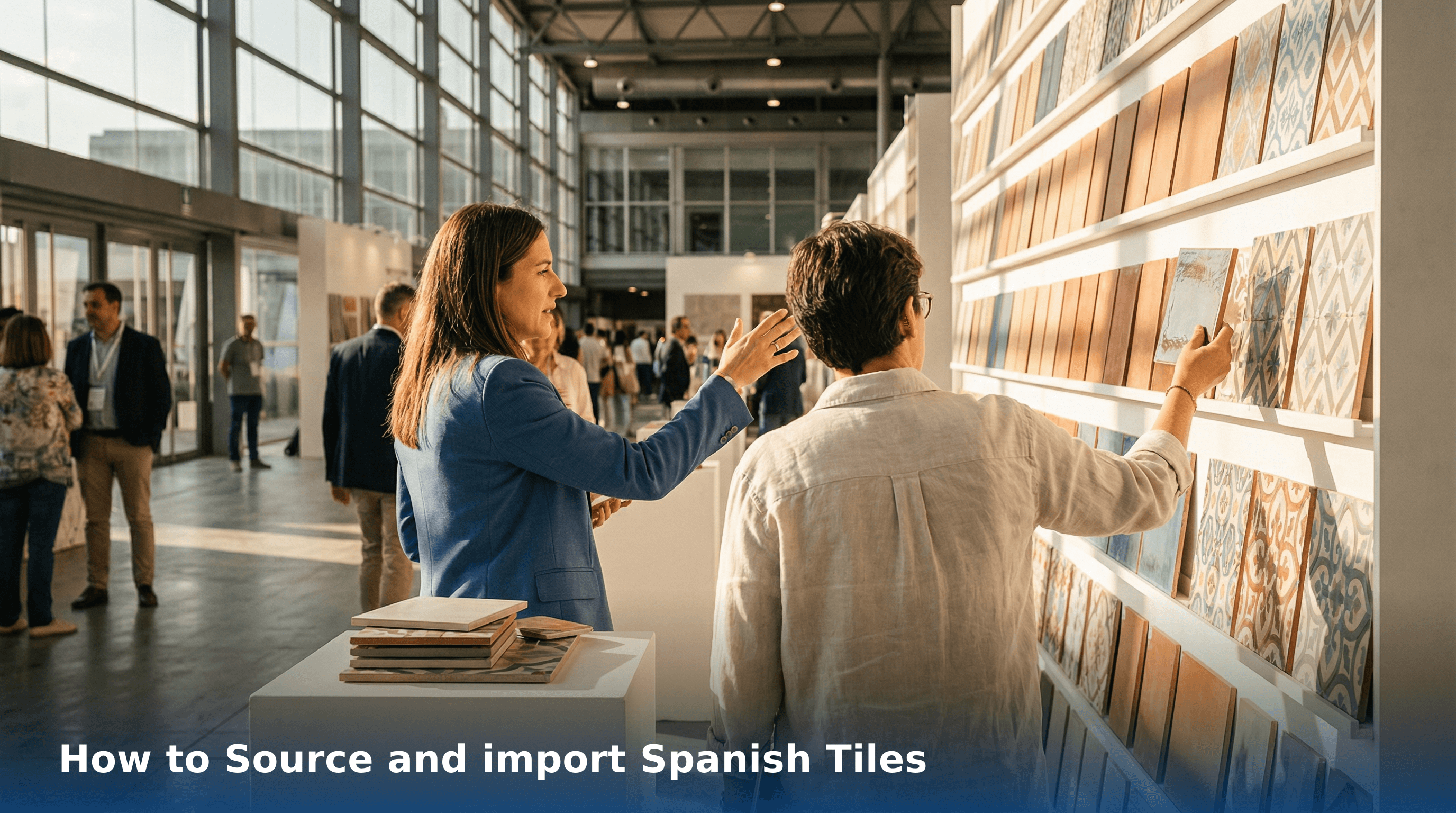
For serious buyers, attending industry trade fairs is perhaps the single most effective way to source Spanish tiles. The most prominent is Cevisama, held annually in Valencia. This event brings together hundreds of Spanish and international tile manufacturers, showcasing their latest collections, innovations, and technologies.
At Cevisama, you can:
- See and touch samples firsthand, assessing quality, texture, and color accurately.
- Meet manufacturers directly, build relationships, and negotiate Spanish tiles prices.
- Discover emerging trends and innovative products before they hit the market.
- Network with freight forwarders, logistics providers, and other industry professionals.
The investment in attending a trade fair can pay dividends in terms of securing better deals and finding unique products.
Working with Agents or Distributors
For smaller projects or those new to international import, working with a local agent or an established distributor can simplify the process. They often have existing relationships with Spanish manufacturers, handle logistics, and can offer valuable advice on product selection and local regulations. While this might add to the cost, it can save considerable time and mitigate risks.
Conversely, if you're undertaking a large project or plan to regularly import Spanish tiles, establishing direct relationships with manufacturers can lead to better pricing and customisation options. This requires more hands-on management of the import process.
Requesting Samples and Quotes
Once you've identified potential suppliers, request physical samples of the tiles you're interested in. Photos can be deceiving, and seeing the actual product is crucial for making informed decisions. Simultaneously, request detailed quotes. Ensure these quotes specify:
- The exact product, quantity, and unit prices.
- Packaging details (e.g., number of tiles per box, weight per pallet).
- Incoterms (e.g., EXW, FOB, CIF – more on this below).
- Lead times for production and delivery.
- Payment terms.
Compare quotes meticulously, not just on unit price, but on total landed cost, including shipping and potential duties. Don't hesitate to negotiate; many manufacturers are open to discussion, especially for larger orders.
Navigating the Spanish Tile Import Process
Once you've selected your tiles and confirmed your order, the next critical phase is the import process. This involves logistics, customs, and careful documentation.
Understanding Incoterms
Incoterms (International Commercial Terms) are standard contractual terms that define the responsibilities of buyers and sellers for the delivery of goods. Knowing them is vital for managing costs and risks during Spanish tiles import.
- EXW (Ex Works): The seller makes the goods available at their factory. You (the buyer) are responsible for all costs and risks from that point, including loading, transport, and export/import customs.
- FOB (Free On Board): The seller delivers the goods onto a vessel named by you at a named port of shipment. The seller bears all costs and risks until the goods are loaded. You take over from there. This is a common choice for sea freight.
- CIF (Cost, Insurance, and Freight): The seller pays for the cost and freight to bring the goods to the named port of destination, and also covers insurance. Risk transfers to you once the goods are loaded onto the vessel at the port of origin.
Choose the Incoterm that best suits your comfort level with logistics and cost management. For first-time importers, FOB or CIF often offer more peace of mind.
Shipping and Logistics for Spanish Tiles
Transporting heavy, fragile tiles requires careful planning. Most Spanish tiles import uses sea freight due to cost-effectiveness for bulk. You'll need to engage a reputable freight forwarder specializing in international shipping. They can advise on:
- Container Options: Full Container Load (FCL) for larger orders, or Less than Container Load (LCL) if your order is smaller and can share container space.
- Port Selection: Major Spanish ports like Valencia, Barcelona, and Algeciras are key export hubs.
- Transit Times: These can vary significantly based on origin, destination, and shipping route. Factor in potential delays.
- Insurance: Always ensure your shipment is adequately insured against damage or loss during transit.
Good communication with your freight forwarder is paramount to a smooth delivery.
Customs and Duties for Spanish Tiles Import
Clearing customs is a crucial step. You'll need to provide specific documentation, including:
- Commercial Invoice: Detailing the goods, value, and terms of sale.
- Packing List: Listing contents of each package, weight, and dimensions.
- Bill of Lading (for sea freight) or Air Waybill (for air freight): The contract between the shipper and carrier.
- Certificate of Origin: Proving the goods were manufactured in Spain, which can be important for trade agreements.
Be aware of import duties, tariffs, and VAT (Value Added Tax) applicable in your destination country. These are typically calculated based on the HS (Harmonized System) code of the product. Consulting a customs broker can help ensure compliance and avoid unexpected costs or delays.
Quality Control and Receipt of Goods
Before shipment, consider requesting a pre-shipment inspection from a third-party agency, especially for large or critical orders. This ensures the tiles meet your quality specifications and are packed correctly.
Upon arrival, thoroughly inspect the shipment for any visible damage or discrepancies before signing the delivery receipt. Document any issues with photos and notify both your freight forwarder and the supplier immediately. This step is crucial for making any potential claims.
Payment Terms
Typical payment terms often involve an upfront deposit (e.g., 30-50%) to confirm the order and initiate production, with the balance due upon completion of manufacturing or before shipment. For larger transactions, Letters of Credit (LCs) offer a secure payment method for both parties, as they involve banks guaranteeing payment once conditions are met. Telegraphic Transfers (TT) are also common.
Conclusion
Sourcing and importing Spanish tiles can be a highly rewarding endeavor, opening up a world of design possibilities and quality craftsmanship. While the process demands careful planning, diligent research, and attention to detail, the end result—a space imbued with the authentic charm and enduring quality of Spanish ceramics—is well worth the effort.
By understanding the key production regions like Castellón, meticulously defining your needs, leveraging resources like trade fairs, and navigating the import logistics with clarity, you can confidently bring the unparalleled beauty of Spanish tiles to your project. Embrace the journey, and prepare to enjoy the timeless elegance that only genuine Spanish artistry can provide.