This article highlights the increasing adoption of EU-sourced functional ingredients and instant bases by non-EU brands seeking to enhance their RTE/RTC product lines with clean-label, sustainable attributes.
- EU's strict regulations drive clean-label, sustainable ingredient innovation.
- European market for clean-label ingredients projected at $23B+ by 2031.
- EU manufacturers invest in multifunctional starches, fibers, and premixes.
- Instant functional starches improve creaminess and stability in RTE products.
- EU ingredients support high-fiber/protein claims in instant foods & beverages.
EU Functional Ingredients and Instant Bases: Building Blocks for Your Local RTE and RTC Brands
Non‑EU food brands increasingly use European functional ingredients and instant bases to upgrade their ready‑to‑eat (RTE) and ready‑to‑cook (RTC) lines with clean‑label, nutrition and sustainability credentials that are hard to replicate locally.[1][2]
Why Look to Europe for Functional Ingredients?
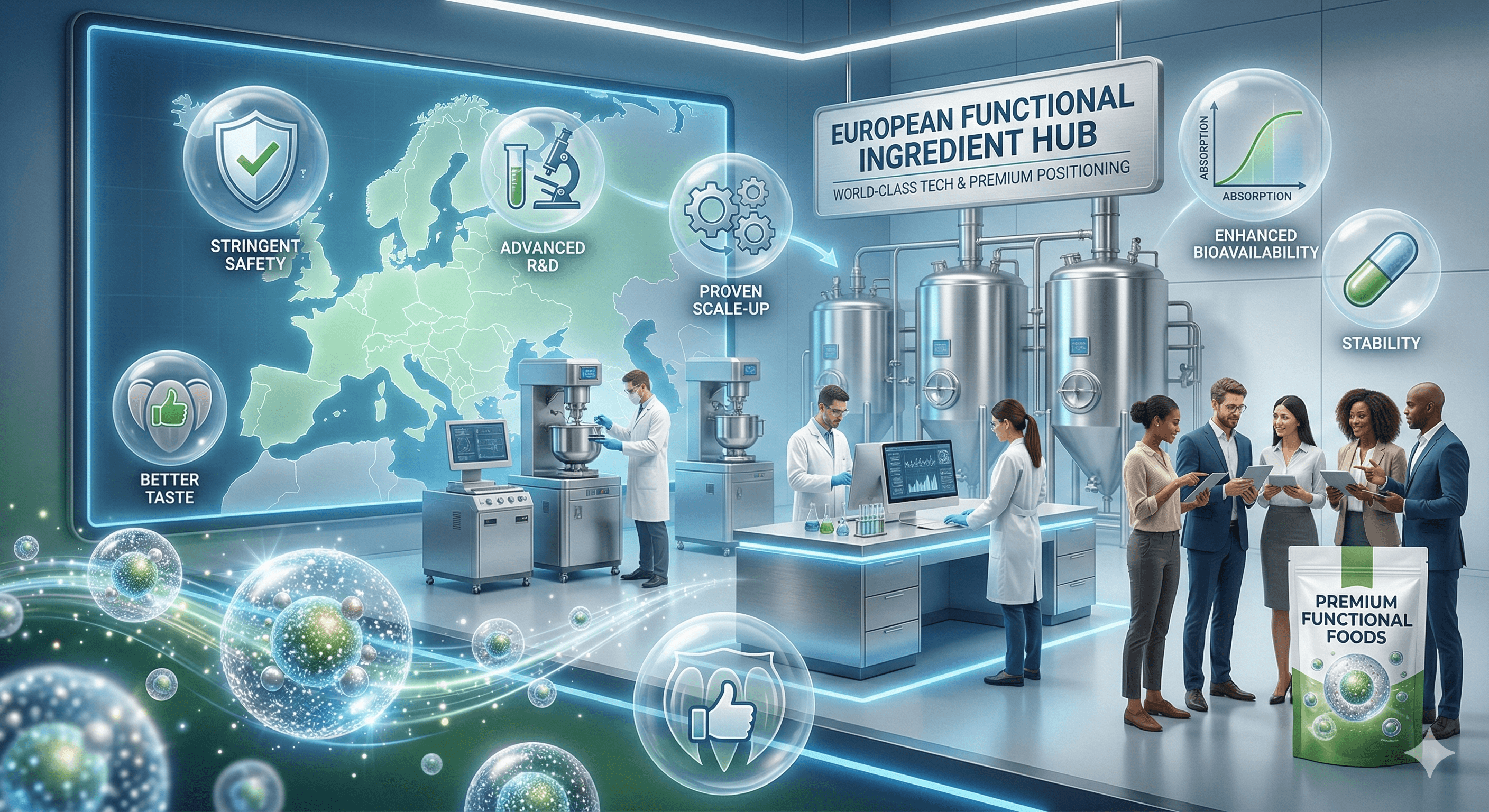
Europe has become a key hub for clean‑label functional ingredients, driven by strict EU rules on additives, health claims and sustainability that push manufacturers to develop high‑performance but transparent solutions.[3][1]
The European clean‑label ingredient market is projected to be worth more than USD 23 billion by 2031, growing at around 6–7% annually as brands reformulate to remove artificial ingredients from their portfolios.[1][4]
Examples of EU‑Made Functional Instant Bases
European manufacturers are investing in multifunctional starches, fibres and premixes that can be used directly in instant beverages, soups, bakery mixes and RTE meals for export markets.[5][1]
For instance, an EU producer launched an instant functional rice starch designed for clean‑label applications, offering improved creaminess, freeze–thaw stability and short preparation times in products like soups and sauces.[5]
Typical EU functional building blocks
- Instant functional starches for dairy alternatives, soups, sauces and baby food, allowing short preparation times and simple labels.
- Plant fibres and protein concentrates from oats, chicory, peas or wheat to support high‑fibre and high‑protein claims in instant porridges and bakery premixes.[3]
- Clean‑label texturizers and stabilizers that replace synthetic emulsifiers in instant drinks, RTD coffees and fortified beverages.[1]
- Fortification premixes (vitamins, minerals, botanicals) in powdered form, used by nutraceutical and functional‑food manufacturers exporting beyond the EU.[6][2]
How Non‑EU Brands Use EU Ingredients in Local RTE and RTC Lines
The European functional food and nutraceuticals market is forecast to reach around USD 7.3 billion in 2024 with annual growth of about 4% to 2031, creating a large base of suppliers already experienced in exporting to third countries.[7]
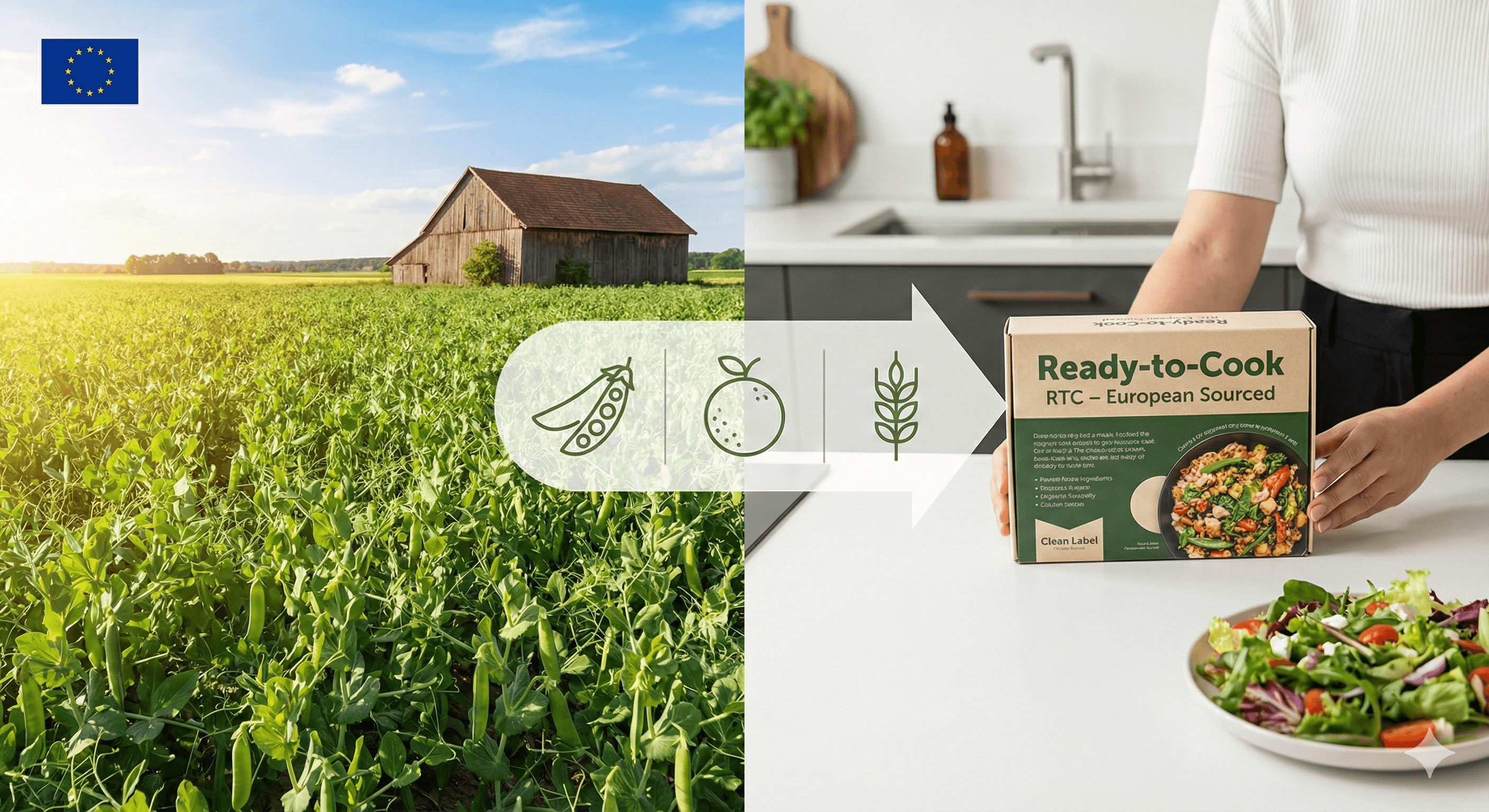
Non‑EU brands in the Middle East, Asia and Africa typically import these EU ingredients in bulk and then formulate local RTE or RTC products that match regional taste profiles while leveraging European origin, quality perception and compliance as selling points.[2][3]
Illustrative product concepts
- Instant high‑protein porridge using EU oat protein and fibre, flavoured locally and packed as a 3‑in‑1 instant breakfast mix.
- RTC soup bases combining EU instant functional rice starch with regionally sourced vegetables and spices for fast preparation at home.[5]
- RTE meals where European clean‑label stabilizers and texturizers support frozen or chilled distribution into hot climates.
Clean‑Label, Sustainability and Compliance as Differentiators
EU suppliers increasingly design ingredients to support clean‑label claims, transparent labelling and compliance with demanding EU and international regulations on additives and contaminants.[3][8]
Research shows that 99% of European manufacturers now see clean‑label as essential to their strategy, and clean‑label products are expected to represent more than 70% of portfolios within the next two years.[4]
For non‑EU buyers, importing functional ingredients that already comply with EU standards can reduce regulatory risk and support premium positioning in markets that value European origin, sustainability and traceability claims.[3][1]
Strategic Angle for Non‑EU Buyers
For non‑EU brands, the strategic play is not just “buy European ingredients”, but to plug into an innovation ecosystem that is already shaped by the Green Deal, Farm‑to‑Fork and clean‑label pressure, then translate that into local products before competitors do.[9][10]
Because EU suppliers already design for stricter rules and higher consumer scrutiny, their instant bases and functional ingredients can become a shortcut for non‑EU brands that want to launch “next‑generation” RTE and RTC lines without building all that capability from scratch.[1][11]
Where Independent Sourcing and Verification Add Value
The EU functional food and nutraceutical space is fragmented, with many mid‑sized producers and contract manufacturers offering private‑label or bulk ingredients for export.[2][12]
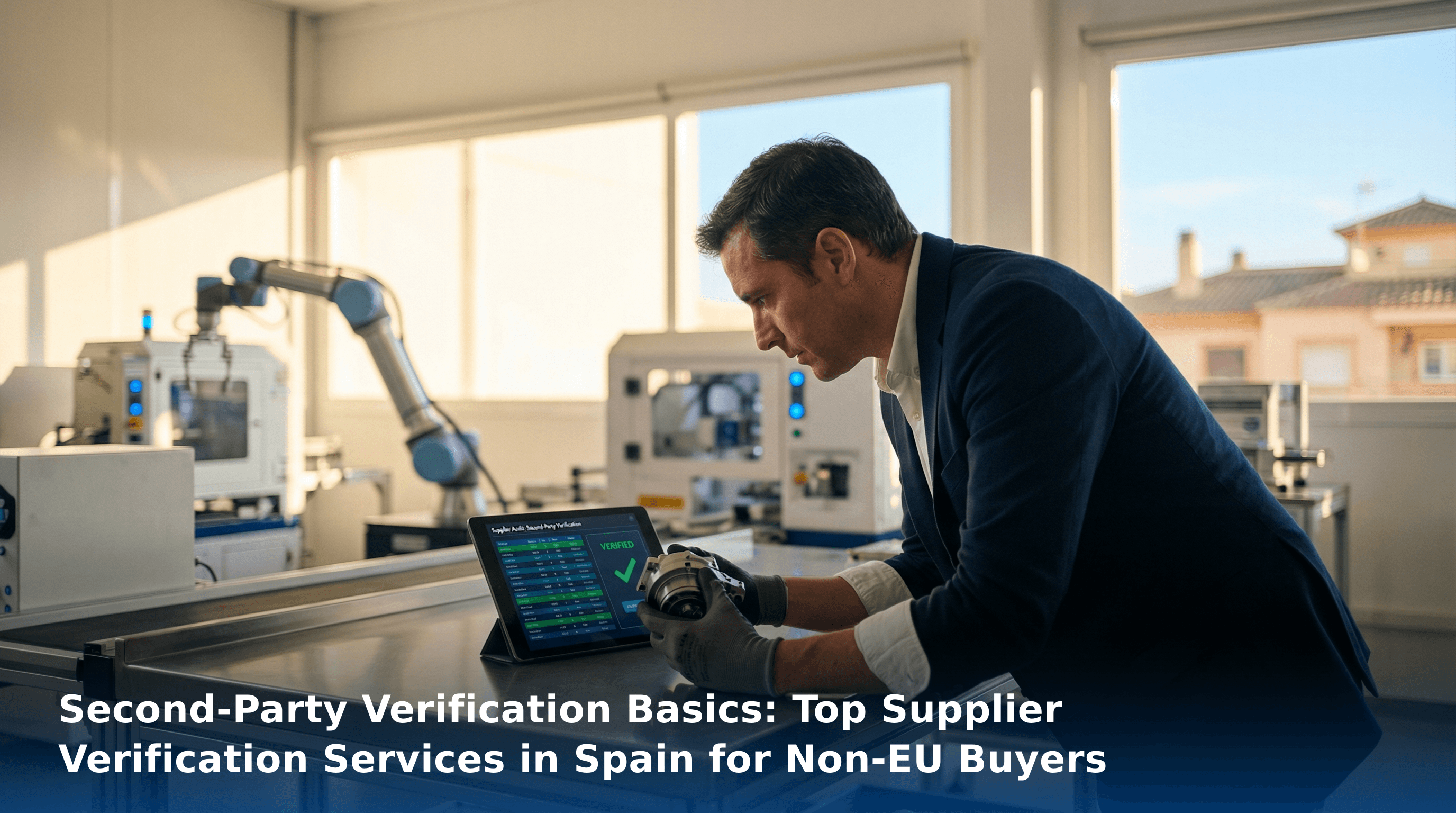
For non‑EU buyers, independent second‑party audits and sourcing support in Europe help verify that suppliers truly meet required standards on quality systems, traceability, labelling practices and sustainability claims before ingredients are integrated into local RTE and RTC lines.
In a market where clean‑label, “functional” and “sustainable” are powerful but sometimes loosely used words, the risk is not just paying a premium for a logo—it is building your RTE and RTC portfolio on top of assumptions you have never really tested.
The question for non‑EU buyers is whether they will keep treating EU origin as a guarantee in itself—or as one link in a chain that still needs independent verification on the ground.